Managed IT Services Designed for Consistent IT Performance - Banner
Designed for Consistent IT Performance.
Managed IT Services Designed for Consistent IT Performance - Content
MANAGED IT SERVICES
Designed for Consistent IT Performance.

OPERATIONAL
TECHNOLOGY SUPPORT FOR
GROWING IT
INFRASTRUCTURE
V2Soft’s Managed IT Services help organizations maintain stable technology environments through continuous monitoring, operational oversight, and reliable infrastructure and application support.
CONSISTENT OPERATIONAL
STABILITY FOR ENTERPRISE IT
ENVIRONMENTS
Technology quietly supports daily operations inside most organizations. Applications run in the background, data moves across systems, and platforms process transactions that guide business decisions. When everything works smoothly, this activity remains largely invisible.
The difference becomes noticeable when systems begin slowing down. A platform may respond more slowly. A reporting dashboard may hesitate before loading new data. Over time, these small delays can affect everyday operations.
Modern IT environments continue expanding as infrastructure grows, applications connect, and cloud platforms support new workloads. V2Soft’s Managed IT Services help organizations maintain stable, dependable IT environments so enterprise systems continue supporting business activity without interruption.

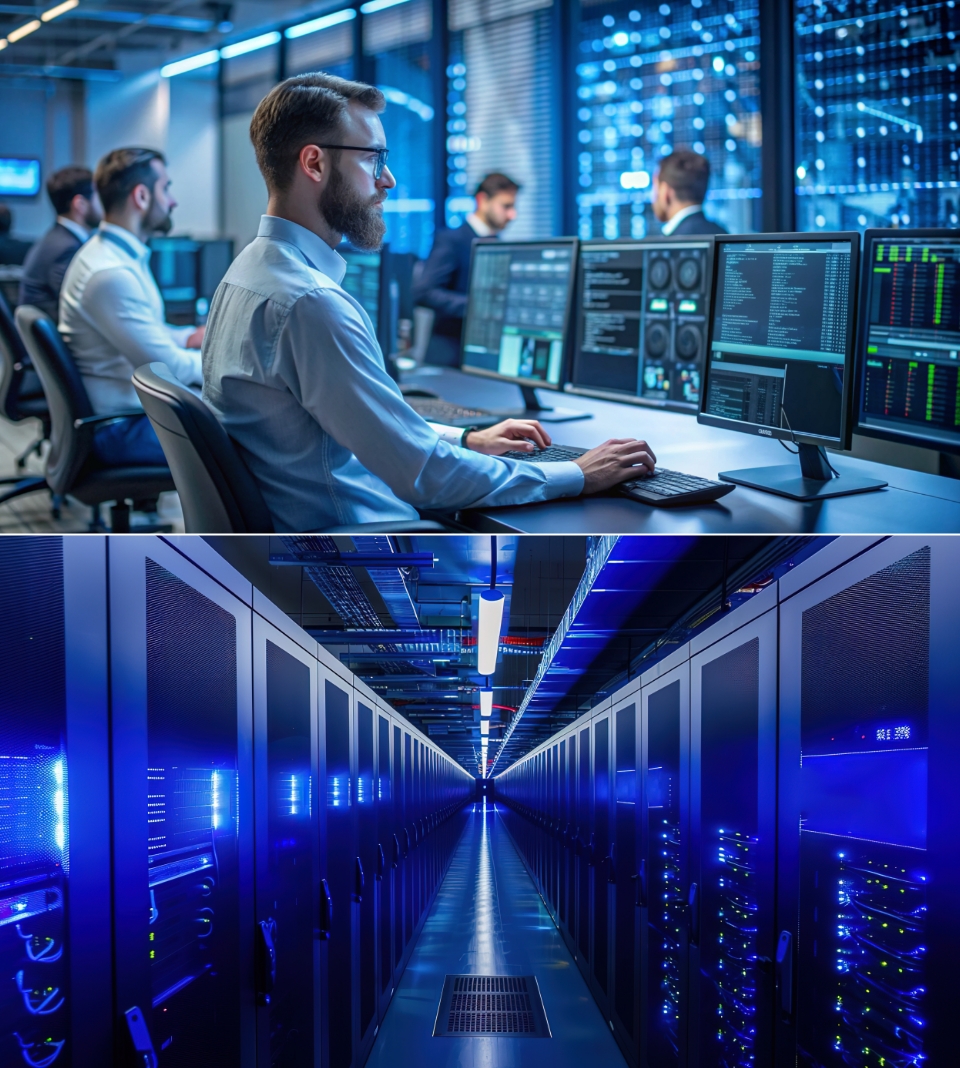
TECHNOLOGY IS PART OF
EVERYDAY WORK
Business Systems Operating Continuously
Enterprise environments rely on multiple systems working together. Customer platforms manage interactions and service requests. Financial systems process transactions and generate reports. Workflow platforms coordinate activities across departments.
These systems support everyday operational routines.
When systems operate consistently, business activity continues without disruption. Information becomes available when required, processes move forward smoothly, and operational visibility remains clear.
When Systems Begin Slowing Down
Technology becomes noticeable when performance changes.
A dashboard may refresh more slowly than usual.A service platform may delay retrieving customer records.A reporting tool may struggle to process a large dataset.These situations are rarely the result of a single failure. More often they reflect operational patterns developing quietly inside the environment.
Operational Dependence on Reliable Systems
Modern business operations rely heavily on dependable system behaviour. When infrastructure and applications perform consistently, processes remain stable and predictable.
Maintaining that consistency requires continuous operational attention.
THE CHALLENGE OF GROWING
IT ENVIRONMENTS
Expanding Technology Landscapes
Technology environments evolve as organizations expand. Additional platforms are introduced to support new products, services, or operational capabilities. Infrastructure capacity increases to support larger volumes of data and transactions.
Cloud platforms often become part of this environment as well.
Each addition strengthens operational capability.
At the same time, the environment becomes more complex.Interconnected System Architecture
Enterprise IT systems rarely operate independently.
Applications exchange data with multiple services. Databases support several platforms simultaneously. Integration layers connect customer platforms with internal systems.
Because of this interconnected structure, performance changes in one area can influence several others.
Operational Complexity Over Time
As environments expand, operational oversight becomes more demanding.
Configuration changes may influence dependent systems.
Infrastructure performance may fluctuate during periods of heavy activity. Updates across platforms must remain coordinated to prevent compatibility issues.
These operational realities highlight the importance of structured system management.
WHY OPERATIONAL STABILITY
MATTERS
Supporting Continuous Operations
Operational stability allows enterprise systems to perform consistently throughout the day. Platforms remain responsive, data remains accessible, and processes continue moving forward.
Stable environments help maintain the operational rhythm of business activity.
Reducing Recurring Disruptions
Unstable environments often produce recurring operational issues.
Examples include:Reporting platforms struggling during high data processing periodsApplications responding slowly under heavy system loadRepeated incidents affecting critical platformsThese situations rarely occur in isolation. They often reflect deeper operational patterns developing across the environment.
Maintaining Reliable System Performance
Maintaining consistent performance requires ongoing monitoring of infrastructure behaviour, system response patterns, and operational conditions across platforms.
Early visibility into these patterns allows operational adjustments before larger disruptions occur.
WHY ORGANIZATIONS CHOOSE
MANAGED IT SERVICES
Increasing Operational Demands
As technology environments expand, operational responsibilities increase as well.
Infrastructure platforms require monitoring. Applications require maintenance. System updates must be managed carefully across interconnected services.
The larger the environment becomes, the more consistent operational oversight becomes necessary.
Maintaining Stability Across Systems
Managed IT Services provide structured operational management designed to maintain system stability across enterprise environments.
Operational practices focus on maintaining platform performance, monitoring system behaviour, and identifying patterns that may indicate emerging issues.
Supporting Technology Evolution
Modern environments continue evolving as new technologies are introduced. Cloud services expand capabilities, applications evolve, and infrastructure scales to support increasing workloads.
Managed IT Services help maintain operational continuity while these environments continue evolving.


THE ROLE OF MANAGED IT
SERVICES
Structured Operational Oversight
Managed IT Services introduce consistent operational routines across enterprise environments.
Systems are monitored continuously. Infrastructure performance is observed across platforms. Operational conditions are reviewed regularly to detect patterns that may indicate emerging issues.
Maintaining Infrastructure Health
Consistent operational routines help maintain infrastructure stability.
Operational activities often include:Monitoring infrastructure performance patternsReviewing system behaviour across platformsMaintaining configuration consistency across servicesThese practices help prevent small operational irregularities from becoming larger disruptions.
Improving Operational Visibility
Continuous monitoring provides clearer visibility into how systems behave across the environment. Patterns become easier to identify, allowing operational adjustments before disruptions occur.
Over time this approach creates a more predictable and stable technology environment.
CORE CAPABILITIES OF
MANAGED IT SERVICES
Infrastructure Monitoring
Infrastructure platforms support enterprise applications that process transactions, manage information, and deliver services. Monitoring these platforms helps maintain stable system performance.
Application Operations
Applications supporting business processes require consistent operational attention. Maintaining application stability ensures platforms remain responsive during everyday activity.
Service Desk Operations
Operational support processes help maintain system usability when platform behaviour changes or incidents occur.
Cloud Environment Oversight
Hybrid environments combining infrastructure and cloud services require visibility across multiple platforms. Maintaining operational awareness across these environments helps ensure consistent system behaviour.
Together these operational capabilities help maintain dependable enterprise IT environments.
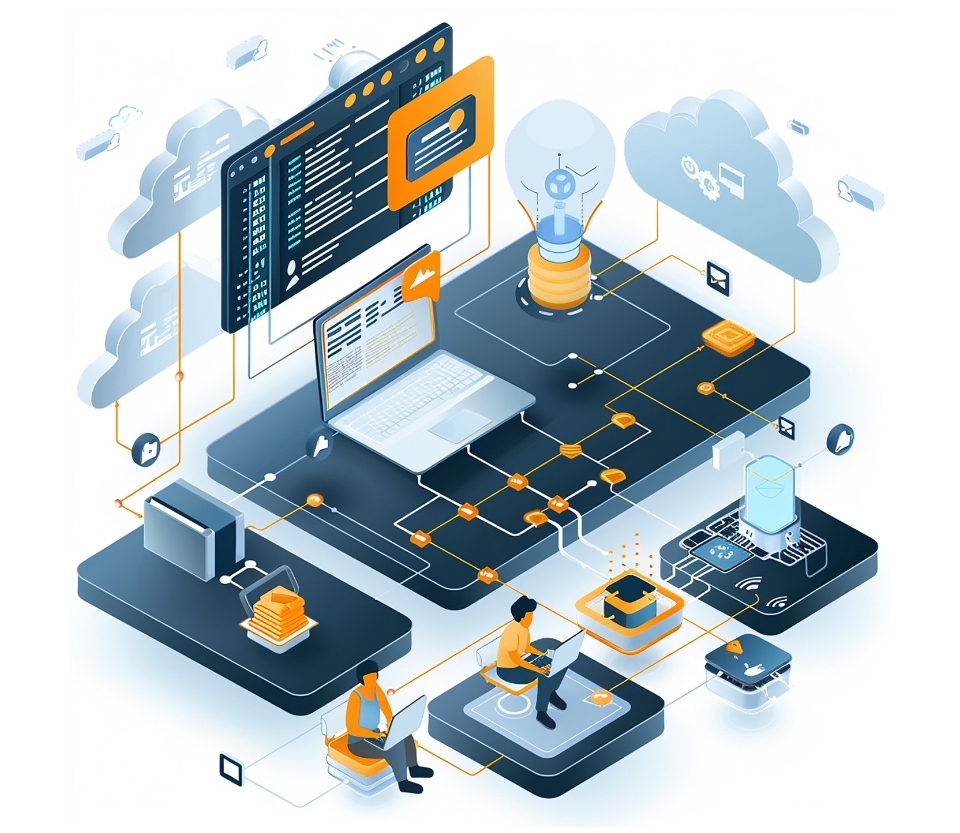

Managed IT Services Designed for Consistent IT Performance
Technology is now part of nearly every activity inside an organization. Employees rely on systems to access information, communicate with customers, review reports, and complete daily tasks. When those systems operate smoothly, work moves forward without interruption.
Most teams do not notice technology when it works well.
They notice it when something slows down.A customer support system may respond slowly during a busy period. A reporting platform may take longer than expected to process information during a review meeting. Sometimes a problem that seemed resolved earlier appears again during the week.
These issues may appear small at first. Over time, however, they can affect how teams work and how quickly tasks are completed.
As organizations grow, their technology environments expand as well. New applications are introduced to support evolving business needs.
Infrastructure platforms increase to support larger workloads. Cloud environments become part of everyday operations.Maintaining stability across this environment requires continuous operational attention.
V2Soft’s Managed IT Services help organizations maintain reliable technology environments so systems remain stable and employees can focus on their work.
OPERATIONAL STABILITY AND
RELIABLE TECHNOLOGY OPERATIONS
Enterprise IT environments often involve several systems working together. Applications depend on infrastructure services. Data moves between multiple platforms. Workloads shift during the day as employees and customers interact with systems.
Because of this, even small operational changes can affect several parts of the environment.
For example, if a database service begins experiencing performance issues, multiple applications may respond more slowly. Customer service teams might notice delays retrieving information. Reporting platforms may take longer to generate insights.
Situations like these rarely happen because of a single failure. They usually develop over time when small operational issues are not addressed early.
Managed IT Services help organizations maintain consistent visibility across systems so these patterns can be identified quickly.
Operational stability requires:
When these practices are followed consistently, technology environments become easier to manage and more predictable.

A Growing Technology Environment
Most organizations expand their technology environments gradually.
A new platform may be introduced to support customer engagement. A cloud service may be adopted to support digital services. Reporting systems may evolve to provide deeper operational insight.
Each improvement adds new capabilities. It also adds operational responsibility.
Systems must be monitored. Updates must be applied carefully. Performance must be reviewed regularly.
Without consistent operational processes, small technical issues may begin appearing more frequently.
Managed IT Services help maintain stability as technology environments evolve.
WHY ORGANIZATIONS CONSIDER MANAGED IT SERVICES PROVIDER
Organizations usually begin considering Managed IT Services when operational demands increase.
Internal IT teams often manage several responsibilities simultaneously. They maintain infrastructure, support employees, investigate incidents, and help introduce new systems that support business growth.
Over time, these responsibilities increase.
Technology environments grow larger. More applications must be supported. Employees depend on systems throughout the day.
A Managed IT services provider helps organizations maintain stability across this environment while internal teams focus on strategic initiatives.
Organizations often choose Managed IT Services to:
Maintain consistent system performanceReduce recurring operational disruptionsImprove visibility into technology operationsSupport growing technology environments
The goal is not simply to fix problems faster. The goal is to maintain a stable environment where problems occur less frequently.


SUPPORTING THE SYSTEMS
THAT POWER DAILY WORK
Technology supports many everyday business activities.
Customer support teams rely on service platforms to manage requests efficiently. Finance teams depend on reporting tools to review operational performance. Project teams use collaboration platforms to coordinate work across departments.
When these systems perform reliably, employees can focus on their responsibilities.
Managed IT Services help maintain the infrastructure and applications supporting these activities.
Stable technology environments support productive teams.
THE VALUE OF CONSISTENT
TECHNOLOGY OPERATIONS
Organizations that adopt Managed IT Services often notice improvements gradually.
Systems respond more consistently. Operational patterns become easier to understand. Recurring issues appear less frequently.
Over time, organizations often experience:
These improvements allow internal teams to focus on improving systems rather than constantly responding to operational issues.


MANAGING MODERN
TECHNOLOGY ENVIRONMENTS
Technology environments today often include multiple platforms working together.
Organizations may operate across:
Maintaining stability across these environments requires operational processes that provide consistent oversight.
Managed IT Services help organizations maintain visibility across these systems while supporting reliable operations.
PARTNER WITH V2SOFT FOR
MANAGED IT SERVICES
Reliable technology environments require consistent operational attention.
V2Soft delivers Managed IT Services that help organizations maintain stable technology environments while supporting the systems employees rely on every day.
Through structured monitoring, operational support, and ongoing system oversight, organizations gain a dependable foundation for managing complex IT environments.

Frequently Asked Questions?
Inside most organizations, technology quietly supports daily work. Applications process transactions, systems store data, and employees rely on platforms throughout the day. Managed IT Services help keep this environment steady so systems continue supporting everyday operations.
Yes. Technology environments rarely stay the same for long. A new platform is introduced. A cloud service begins supporting additional workloads. Over time the environment becomes larger and more connected. Managed IT Services help keep everything operating consistently as this growth continues.
Enterprise environments rarely rely on a single system. Infrastructure platforms, applications, databases, and cloud services often work together. Managed IT Services help maintain visibility across these connected systems.
Of course. Performance changes often appear gradually. A dashboard may refresh slower than usual, or a reporting system may take longer to process data. Continuous monitoring helps notice these patterns before they begin affecting everyday work.
No. In most organizations, Managed IT Services support internal IT teams rather than replace them. Internal teams continue guiding technology initiatives while operational monitoring remains consistent.
Enterprise systems operate continuously throughout the day. Sometimes a platform responds a little slower than usual or an application behaves differently during busy periods. Monitoring helps teams notice these small changes early.
Yes. Many organizations now operate across both infrastructure platforms and cloud environments. Managed IT Services help maintain stability across these connected environments.
Yes. In many environments, issues rarely appear suddenly. They develop gradually as workloads increase or systems interact with each other. Managed IT Services help identify these patterns early so systems continue operating smoothly.
Most Managed IT Services programs support infrastructure monitoring, application operations, service desk support, cloud environment oversight, and routine security maintenance.
When systems operate consistently, employees rarely think about the technology behind them. Information is available when needed and work continues without interruption. Reliable systems help daily business activity move forward smoothly.